I recently read the naturopath, herbalist and cookbook writer, Jana Brunclikova, write about one of her learnings from Indian Hindu spiritual leader, Amma. She wrote “Devi Amma teaches that a mother is not defined solely by biology but by a deeper, psychological and spiritual capacity to nurture, protect, and give without condition. She reminds us that ‘mothering’ is an energy expressed by anyone who offers care, patience, and emotional grounding to others, whether through raising children, supporting loved ones, or simply holding space for another human being’s growth. And, in this way, mothers exist everywhere; in quiet sacrifices, in resilience, and in the unseen emotional labor that shapes lives.”
“Amma” can refer to “mother”, “nurture”, “care”, “love”, “compassion”, and “selflessness”. In some origin stories, the word is also translated into “woman.”
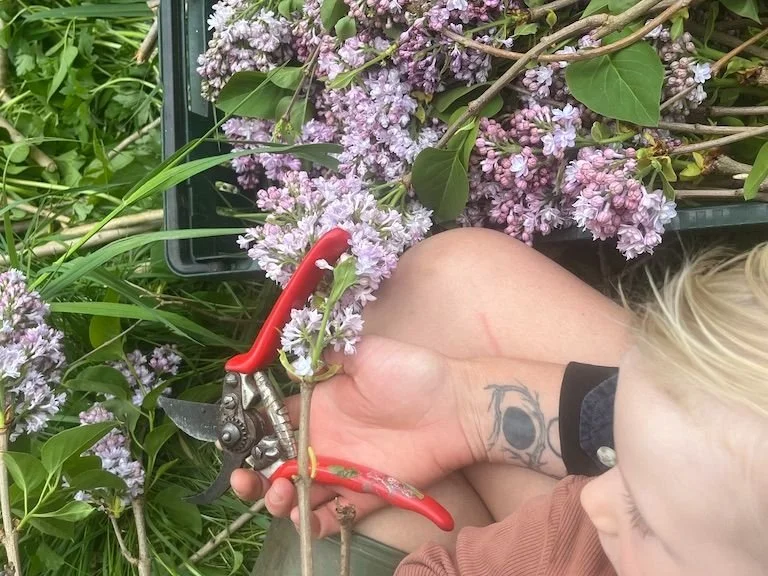
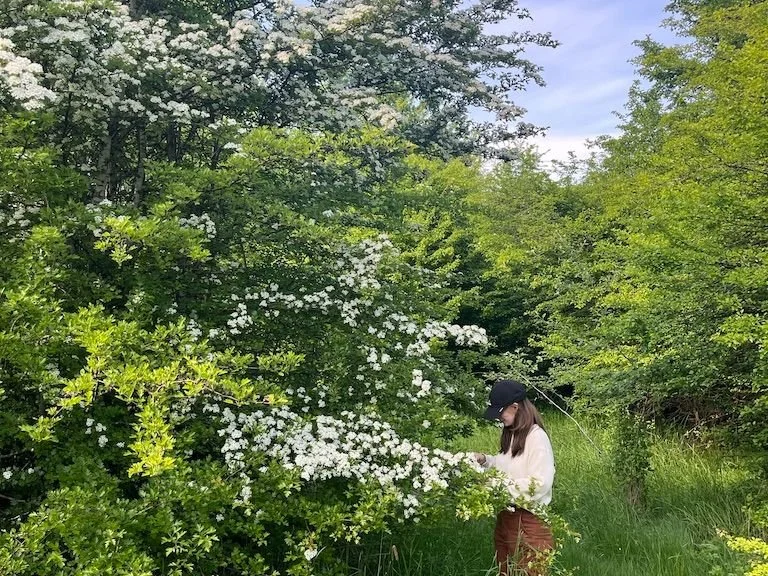
Entering into May, I am overwhelmed with the fragrance of flowers, the bees humming, and the colorful illumination of Earth’s fertility. It’s no wonder why Earth day is celebrated at this time of year; for Earth is showing us the utter glory of life in the Northern hemisphere. It’s also notable that Mother’s day occurs now; for both the wild and domestic animals have largely birthed or hatched their newborns and now nurture them with fresh foliage and abundant life. The month of May is named after the Greek goddess, Maia; nurse and nurturer. After the planning and planting of the first seeds of the season during Spring Equinox, we now turn towards the season of tending; caring; loving; nurturing. Nourishment is rich – water, food, sunshine. If you haven’t inhaled this burst of life force, please, take a moment, draw your attention to your sense of smell, and breathe.
In Wildness Within’s Foundational Herbal Apprenticeship, we are closing out on our first seasonal session; early Spring. During the past months, we have delved into one of the most important foundations of herbal medicine; nourishment. From botanical identification of edible versus medicinal versus toxic/poisonous plants, to wild edibles of Spring, starting your own garden for food and medicine, to water-based infusions; the students begin this course learning about grounding into place and how the plants nurture us.
In these early teachings I am reminded about my herbal journey and why I teach what I teach and, furthermore, the order in which the curriculum is offered. The Five Phases of Traditional Chinese Medicine sheds light on the metaphorical and physical manifestations at play between the environment and human body. Seasonal rounds rooted in ethnobotanical studies of the Coastal Salish and Okanogan people have taught me ways of paying attention to what is happening in my local environment – correlating wildlife with flora and harvesting protocols. The Wise Woman tradition is nourishment and optimum nourishment is simple.
Dandelion, chickweed, nettle, burdock, cleavers and plantain provide us with simple, accessible, nourishing medicine. Food as medicine. These wild and abundant plant allies are bursting with vitamins and minerals that we need for replenishment and rejuvenation after the winter slog. Their ability to grow in various conditions and timing of flourishment are metaphors for ways of nurturing, protecting and giving without condition. And, it can be that simple.
Through this passage of becoming and growing as an herbalist, I find it interwoven with the path of the mother. The care-giver. The healer. The nurturer. And, leaning into the observations of Earth’s capacity to hold is necessary for those supporting human lives.
May we find ways to lead lives with care, compassion, selflessness and nourishment as Mother Earth does for us.
In Spirit of May,
Rachael