Since I last wrote, winter arrived – the town of Duvall became an island as the surrounding valleys flooded – the holidays came and went – the calendar year changed.
As Katherine May writes in her book Wintering; The Power of Rest and Retreat in Difficult Times, “Change will not stop happening. The only part we can control is our response.” She further states, “Nature shows that survival is a practice. Sometimes it flourishes– lays on fat, garlands itself in leaves, makes abundant honey– and sometimes it pares back to the very basics of existence in order to keep living. It doesn’t do this once, resentfully, assuming that one day it will get things right and everything will smooth out. It winters in cycles, again and again, forever and ever. It attends to this work each and every day. For plants and animals, winter is part of the job. The same is true for humans.”
Be this literal winter or the dark, cold seasons of our lives; I find relief in this cyclical way of being. And I feel strength in knowing the resilience that comes from living out life’s winters.
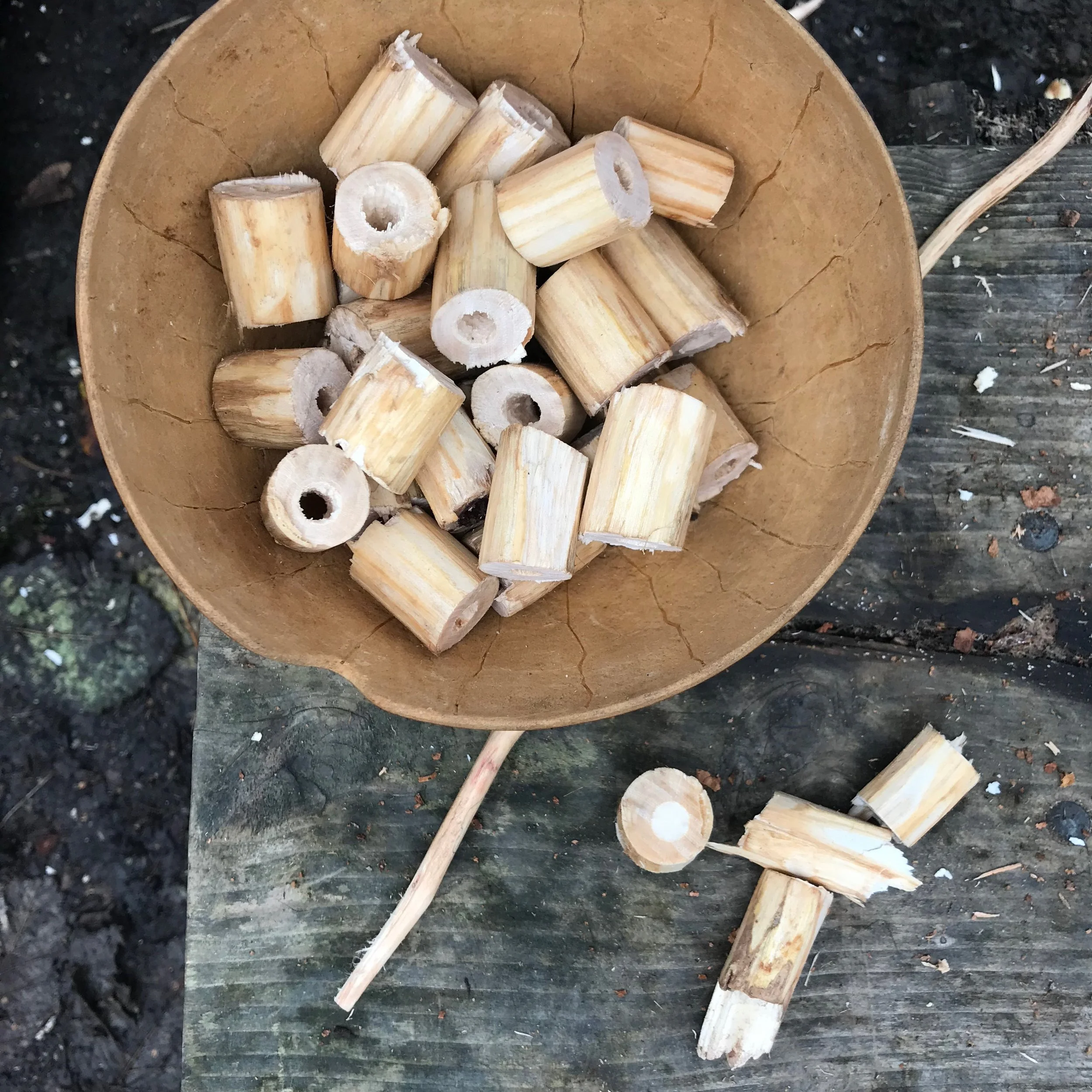
When the waters swelled and flooded the valleys in Western Washington, I received an order from our local farm store, Local Roots. One of the products requested was the Heart Soothing herbal tea. I needed to make a new batch to restock, package and deliver. In doing so, I pulled from my bulk dried herbs; milky oats and oatstraw, hawthorn flowers and fruits, linden flowers, devil’s club roots… As I weighed these single herbs, I remembered their stories:
Standing in the field at Jubilee Farm, cutting the oatstraw cover crop growing in between the rows of garlic, noting the size and splendor of this crop and yield. The place where I harvested in early summer was at least three feet under water.
The hedgerow of hawthorn standing amongst the planted Sitka spruce and shore pine trees in efforts to restore the riparian areas surrounding the Snoqualmie river. Groves that I visit in May to harvest the flowers and other groves that I tend to in October to harvest their fruits –all rooted in the floodplain where currents were swiftly moving around their trunks and branches.
Linden trees that line the streets overlooking the valley. Growing on higher ground yet in solidarity with the cottonwoods and willows that eagerly root near the river. All witnessing the massive movement of water.
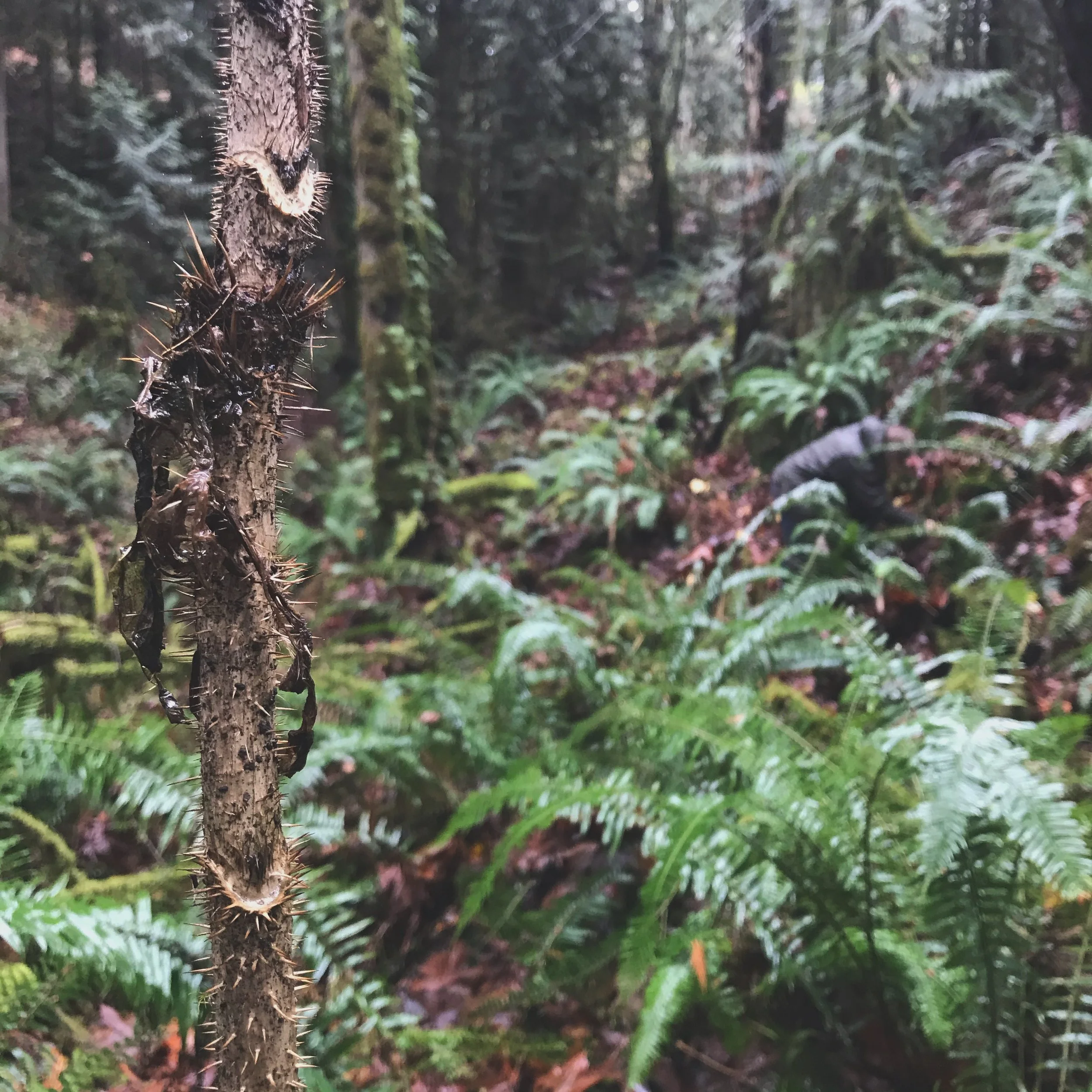
Devil’s Club that walks along the cedar understory– blessing the accumulation of rain and ground springs that serve as the headwaters. Seasonal creeks that scurry down the mountain into the basin that holds the rivers sculpting the valley floors.
These plants are part of the ecosystem that I call home. Some native– holding significance to the Snoqualmie tribe and Coastal Salish people. Some cultivated– intertwining European lineage into the farm and landscape designs. These plants weave together stories of the past, while shaping the land for the future, and enduring the present circumstances of the cyclical seasons. Some of them have experienced many winters in this region, some of them contribute to health of our local soils, some considered both food and medicine, all of which teach us how to survive in this environment and thrive in our health. They are plants of the local community.
When I entered Local Roots farm store, I noticed a sign that read, “Support your local food economy.” I thought about how the herbs that I harvest and grow are a part of this economy– how Wildness Within’s remedies are rooted in locality– and, most of all, how meaningful it is to interact, learn, grow and contribute to this community.
As times change and we go through another winter, I am able to reflect and vision into different aspects of my life. Wildness Within is an herbal business that offers plant education and remedies rooted in local community. While some of the herbal teachings and personal consultations can reach people far and wide– the heart of this business resides in Western Washington’s montane forest ecozone. That means we focus on planting in zone 8b, we observe ethnobotanical practices of the Coastal Salish people, and people living within this driving range can come together to learn, make or experience the plants of this region. The waters of this landscape impact us. The winters teach us.
That being said, this year’s cyclical rounds will continue to hold offerings rooted in locality. From locally grown and wild harvested herbal remedies to in-person teachings and community work parties or collaborations– the value of locality is becoming more apparent in changing times. So, for those of you within range, are you interested in growing deeper in your local understanding?
I hope for love and curiosity to flourish in the year ahead.
May it be so,
Rachael