“Oh the seasons change and the leaves they fall,
And I will change myself.
I will give my body to the cold,
The Spring thaw will do me well.
Yes, I know, I will grow
With the Earth between my toes.”
(“Season’s Change” by Nikki Satira)
What a threshold to cross, this Samhain – many doings, many letting go, many circles (upon circles), many sounds of laughter and tears, many emotions, and many changes.
Last Friday concluded the 2026 Foundational Herbal Apprenticeship. Our final class consists of a ritual honoring the plants, people, land and lineage. Pumpkins held the center as dahlias, strawflowers and marigolds layered the outer rings of an altar for the ancestors. Students brought objects, food and photos of those whose shoulders they stand upon. Candles were lit, food was offered and stories were shared. And, somehow, it all came back to the plants and people – but most of all, our healing journey.
Honoring our ancestors is one thing, and being witnessed in that honoring is another. I heard one student say, “Wow, I feel like I just deepened my relationship and knowing to all of you.” With the sharing of the Beloveds who have died in our lives brings about vulnerability and courage. Two human experiences that lend itself to wholeheartedness (listen here to The On Being Project interview with Brené Brown: The Courage to Be Vulnerable) – and, furthermore, healing from the heart.
This closing ceremony emphasizes the multifaceted ways of being and becoming an herbalist. It’s not just one who makes “potions” with plants or “prescribes” plants for diseases – it’s a practice of being attuned with the plants through seasonal change, physical-emotional-spiritual attunement, and honoring the sacred and profane ways of humanness (and so much more!). Again, it’s a lifestyle.
Leaning into the practice of seasonality even more, I use this time of year to wrap my apprenticeship programs, winterize the gardens and offer seasonal craft workshops. Ok, and put out more feelers for next year’s apprenticeship students as well as concentrate on writing (?!). Change is happening and I look forward to sharing more of what Wildness Within will be offering in the coming year.
With wholeheartedness,
Rachael
To Beauty; To Ugly; To October
The geese honked, migrating by the masses in the sky. The woodpeckers squalled at one another as they foraged amongst the grapevines. The cottonwoods slowly dropped some leaves making me question the sounds of rain. And the evening fog began to lift off of the valley floor – blanketing the grounds and moving into the forest of trees.
Why, hello October. I see you, I hear you, and, I feel you.
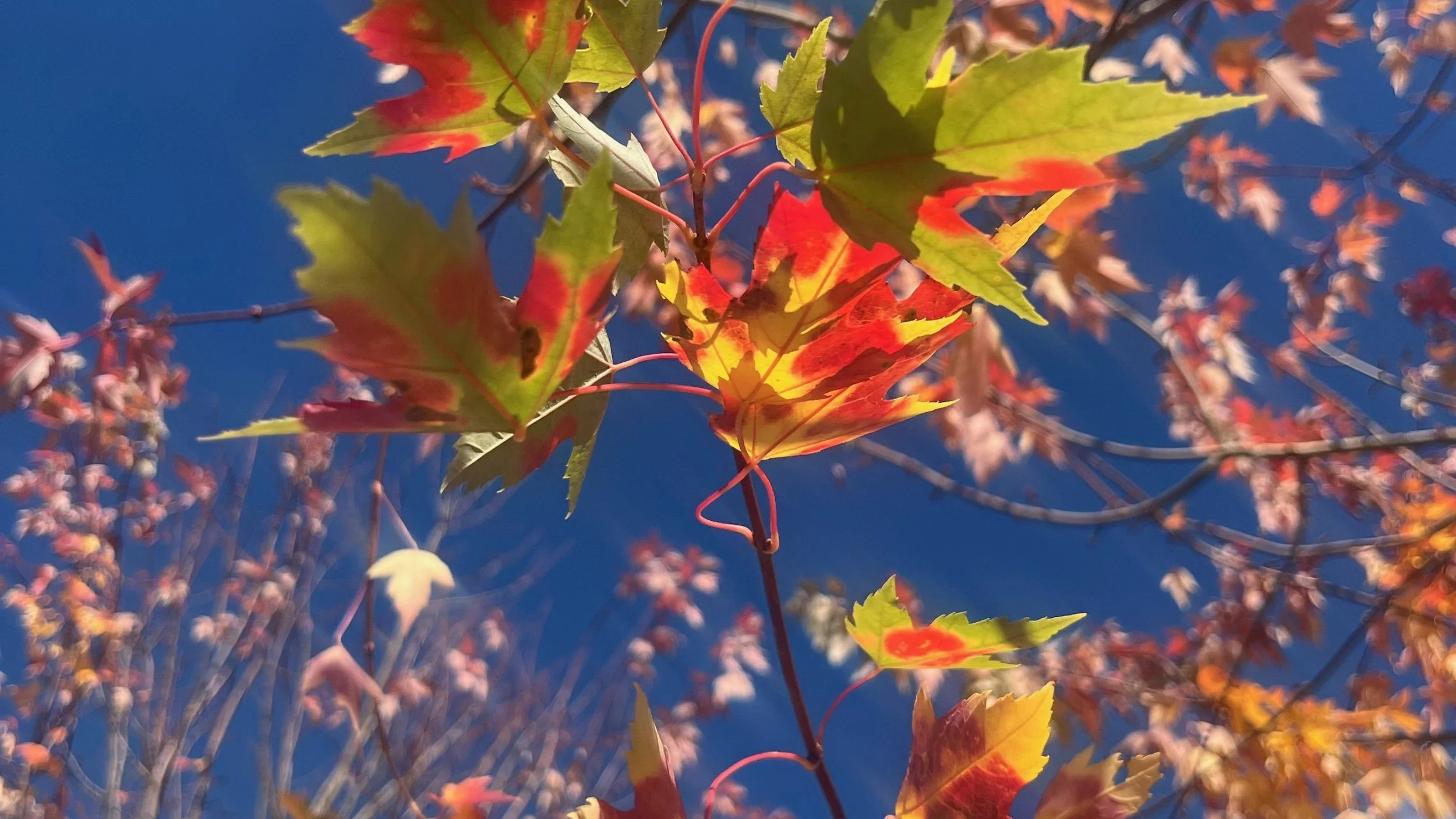
The vine maples are “putting on their lipstick” and turning that eye-catching-color red. The golds are embellished with the fading sun sky. And, bless those fall flowers that have become blanketed in spider webs and morning dew.
This time of year, strikes the cords of magic, mystery and wonder in my heart. I keep hearing the words by Kevin Morby – “heaven is a place on earth” – singing in my head. And, I try to hold onto these seasonal vibes as I am also fighting the “back-to-school-bugs” now that I am officially a mother of a preschooler.
It’s these moments of dichotomy – feeling like absolute garbage, but also so utterly in awe – that I laugh at our human experience. The beauty in the ugly and the ugly in the beauty. And, thank goodness for the herbs that let me best show up for it all.
The cold and flu season has struck and I am more enamored with the energetics of plants, person, and the presentation of disease. For initially, what felt like a golf ball stuck in my throat was supported by lymphagogues and as that moved into my lungs, I was able to turn towards those expectorating and soothing plant allies. Yet, just as I thought I was in the clear, I got struck again. This time, a sinus infection, where echinacea, goldenseal and goldenrod came to play while eucalyptus steamed my face. What more, after a full day of teaching, I ended up with laryngitis (ok immune system, what’s happening?) – throat soothers such a marshmallow, licorice root and cinnamon were able to join in with echinacea for further support. And, the results? Well, there’s still some raspy voice, but the phlegm is almost clear and my energy is returning. Head fog? We are working on it…
This turn towards Autumn has truly challenged my herbal knowledge in changing up the herbs that I use based on how my symptoms have changed. From clear, runny snot and shivers to congealed, yellow phlegm and irritation, the herbal remedies shift from warming and drying to cooling and soothing – and that’s not even looking at what herbs’ actions and affinities are best for when.
It’s no wonder why we quickly turn towards the over the counter medications when we are sick. The body’s response to the pathogen changes. Not one formula is going to do it all! That means, we actually have to pay attention to our symptoms and think about what herbs or foods would best serve us when… And, head fog and thinking when you are sick is just the worst.
But what if we had what was needed for these moments right in our own kitchen? And, truth of the matter, most of us probably do… garlic, cayenne, thyme, sage, onion, fennel, mint… just add some elderberry, echinacea and licorice and you are off to a great start. Now figuring out how to use them and when is the next step.
Ok, I am not trying to sell a class here, but I am trying to encourage a lifestyle rooted in empowerment. To be able to take care of yourself and your family and friends all the while finding joy in the beauties of the natural world – this to me sounds like a meaningful way of life. Whether it resonates with you or not, I hope you turn towards the magic of this Autumn and the wonder of the changing seasons.
For awe of both the ugly and the beauty,
Rachael
Autumn Detox
What’s alive for you?
Are you ready for the changing season? Do the falling leaves and cooler nights excite you? Are you ready to move inward? Are you resisting what is to come?
How is your energy?
Did you find rest during the dog days of summer? Are you depleted? Resourced?
I am ready. My mind, body and spirit are ready for the letting go process to begin… Well, mainly the material human stuff – not necessarily the flowers, leaves and garden glory. I am ready for an “Autumn detox” – clearing spaces, purging belongings that no longer serve, changing my diet, and releasing the to-do list in my head. In this way, I can enter the dark days with a clear space for winter craft, mindfulness and a routine that feels both solid and refreshing.
Herbs are (literally) speaking to me in new ways. With intentionality and embodiment, plant spirit medicine is more heightened than ever before. Herbalism truly is a fascinating journey– at one point I wasn’t able to (or shall I say, didn’t allow myself to) connect with plants in such a way, and now I sit with them (and they sit with me) differently.
Most recently I have taken 5-10 drops of a simple herbal tincture to attune to the essence of the plant. This is a dosing method that I mainly use with flower essences. Yet, the intention of working with tinctures in this way has similarly awakened my mind, body and spirit to the subtleties of the plant’s medicine. Hops has deeply relaxed me while allowing for ease in socializing. Silk tassel has subdued tension in my body while expanding my awareness to the energetics of the space around me. Rhodiola continually invigorates focus and steady work. And marshmallow has moistened and nourished me from the inside out.
It’s one thing to read it from a book, or work with a plant because you’re told it’ll be good for you, but truly allowing space and time to let the medicine speak to you takes practice. And, what a privilege. I say this as a working mother, where time, quietude and space is a privilege. Also, to allow for that type of connection with a plant is also a privilege.
I am watching this deepening occur with my students as they sit with the flavors, sensations and medicine of a plant. I feel the need to teach about connecting with a single plant ever more necessary. And, I hear that people are craving the time, space and accountability to do so. I write with wonder and sadness of how this has become such a strange concept in our modern world – when did we let go of this simple practice?
As we enter the season of “letting go”– I always sit with the questions: What are you composting? And what are you reaping to sow?
For me, it’s releasing the physical and mental clutter to allow for time and deepening with plant spirit medicine and winter craft.
May we sit with plants together this season,
Rachael
Herbs for Hydration
The clear yet thick viscosity of the infused water slugged out reminding me of slime. Slightly hesitant to imbibe, we sipped what could potentially be the grossest drink in the world. Aha, to our surprise the flavor was delicious – notes of citrusy sour and thirst quenching good! Thank you, purslane, for teaching us the powers of demulcents.
Tis the season to hydrate. The time to be in and with the waters. The time when the thunder storms and short yet torrential rainfalls are celebrated. And, there’s nothing like soothing, mucilaginous herbs to boost the much-needed moisture – both internally and externally.
As we enter into the month of August, the summer sun has officially scorched the grasses and plants without irrigation. The heat has ripened the galore of berries. The waters have warmed to a temperature where one can float for hours without a shiver. True summer heat. Be it in the air or symptoms of the body, this is the time where we turn towards herbs that clear heat, nourish yin and promote hydration.
Incorporating cooling foods such as watermelon, cucumber, mint, mung beans and seaweeds into your diet can help the vitality of our internal systems. Herbal infusions of chrysanthemum, peppermint, purslane, marshmallow, hibiscus, linden and oatstraw can help clear heat while moistening dried tissues. Waking up early and resting during the heat of the day can help your energy pace with the natural rhythms. Sway with the waters, stay in the shade, and engage in gentle movements. This is a time to rest and nourish before the Autumn doings.
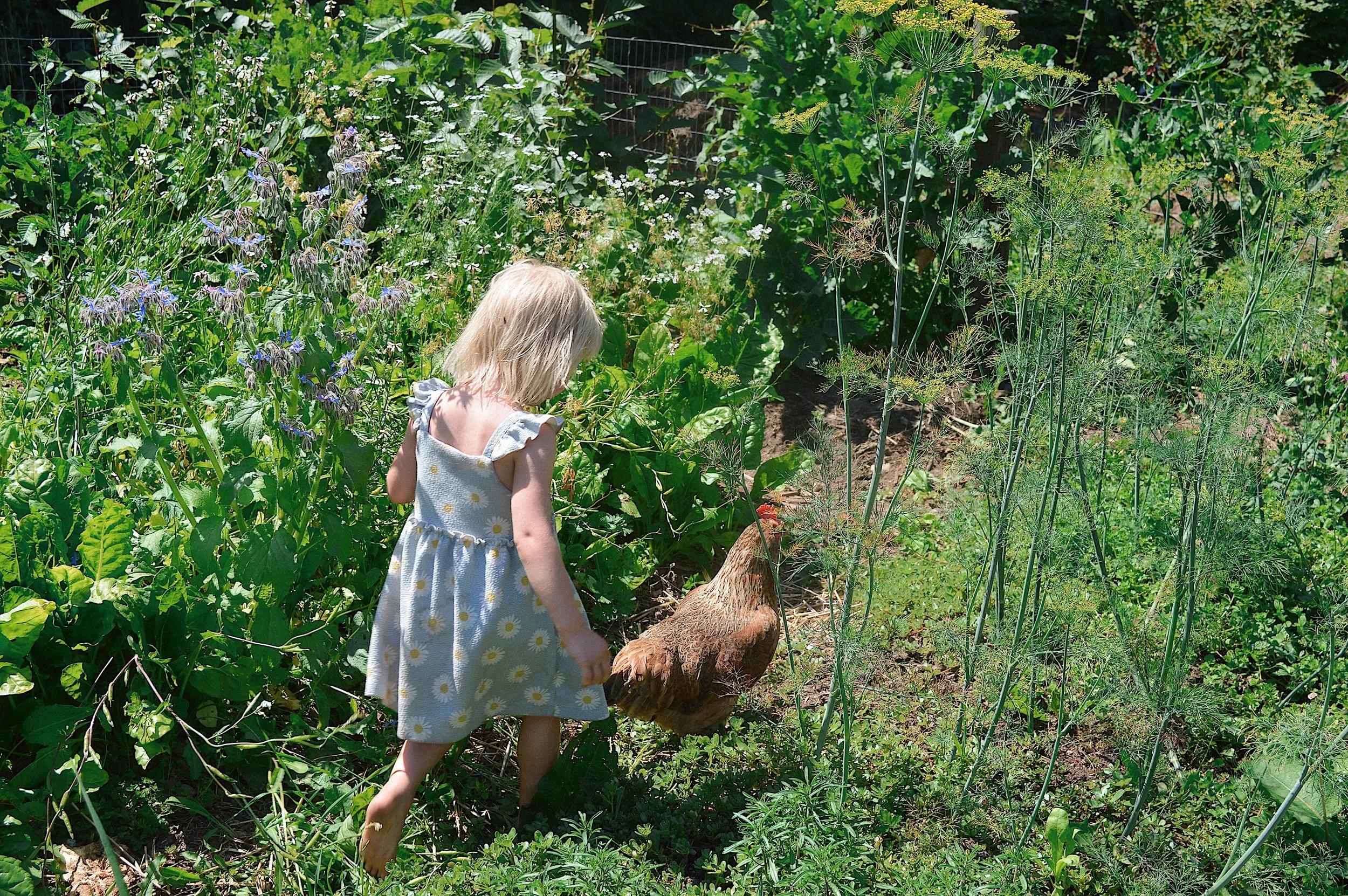
I’ve been loving the sweet, sour and salty flavors of the season. The garden allows us to experience freshness and ripeness. Cucumbers, green beans and berries have my heart as I follow my daughter on her harvesting route around the property. A reminder that the garden is a place to play while being nourished.
Come connect me and the herbs of the season! The Wild Botanicals series is pulsing with the seasonal harvest, Jubilee Farm workshops are abundant with cultivated herbs, and the NW Herbal Fair will bring together plant people rooted in this temperate rainforest medicine bowl. I hope to taste the plants and find nourishment during these dog days of summer.
Here's to our cooling and moistening allies!
<3Rachael
The Practice of Picking Flowers
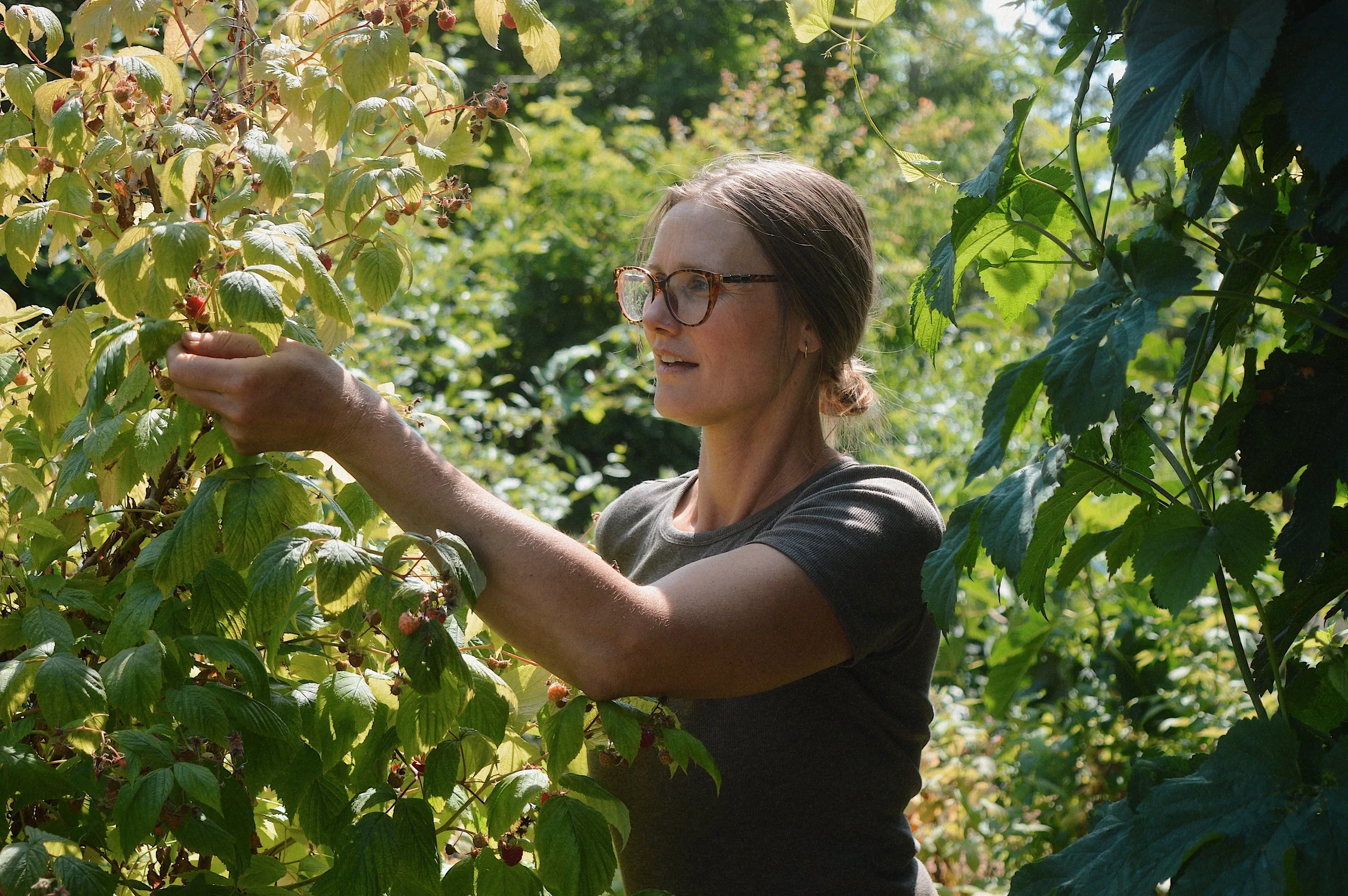
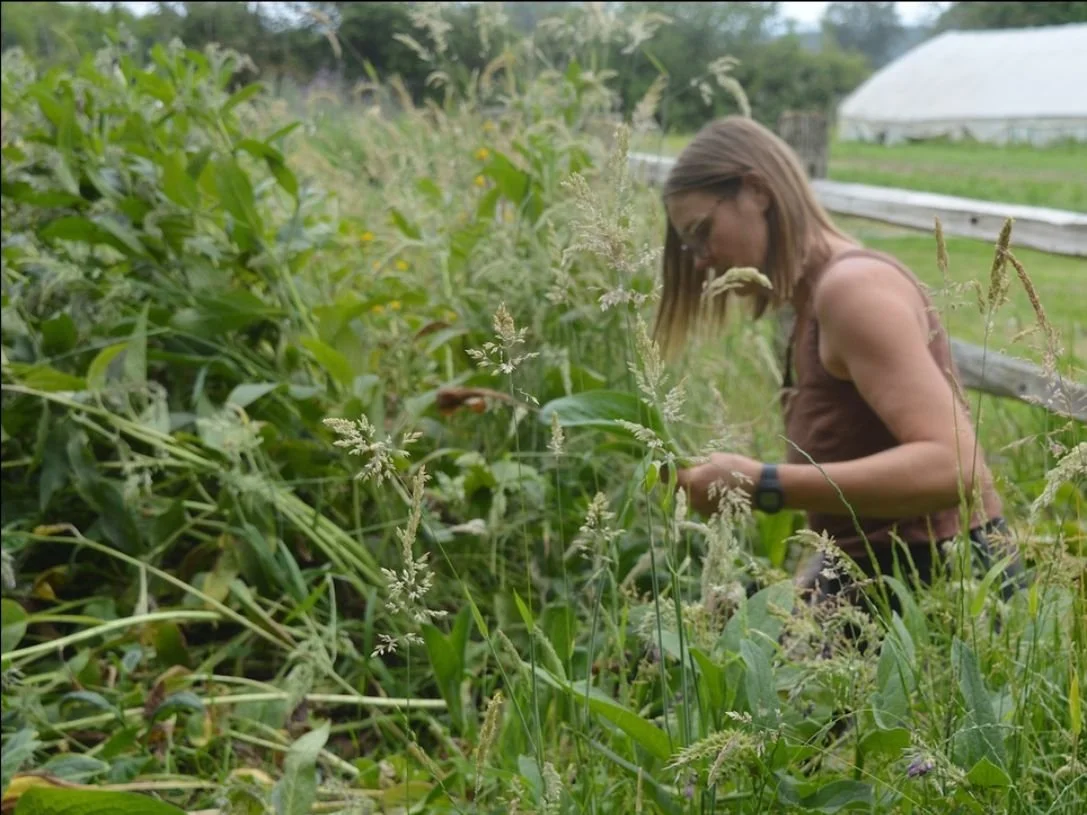
The other day I was harvesting red clover flowers thinking into the full process – from seed to growing a plant to monitoring the bloom time to harvesting in the right conditions to drying it just so and bringing it into a formula. I further thought into how this process has become a natural rhythm for me. It’s a meditation. It’s embodied.
I recently heard someone yell with a belittling tone, “you’re just picking flowers!” I continued to pick the blooms, feeling into my nervous system. I was grounded (literally squatting on the ground) and able to take in the words and emotions for what they were. My harvest was more than “picking flowers”.
I continue to think into this statement and how it is amplified in a broader stereotype of an herbalist. “Just picking flowers” is one part of the process. The attunement to the seasons, learning about soil conditions and sun exposure, monitoring and adjusting your time with the time of the plant’s growth, actively interacting with what is around you, getting your hands “dirty”, knowing what to do and when to do it, and finding an emotional balance with the uncertainty are just a few more parts of the process in tending to plants for medicine. Now, bringing them into the kitchen, preparing them in the right way and understanding their constitutional properties is a whole other process. Oh, right, then there’s understanding the human and the symptoms of disease part too…
Being an herbalist is not just picking flowers – it’s not all beautiful baskets, frolicking in the fields, making delicious, colorful and flavorful potions, and looking good (and feeling angelic) while you do it! It’s hard work. Being an herbalist can look like dirty fingernails, scratched up arms, irritated skin, adjusting schedules for that of the weather, spiders and bugs and grubs (!), sweaty stained clothes, trial and error, error, error, composting (the good and the bad), doing it wrong and learning the consequences.
Have you seen that graph with the x-axis labeled “f**k around” and the y-axis labeled “find out”? The more you f**k around, the more you find out. Yes, it’s vulgar, and yes, it’s true. This has been such an important graphic for my herbal doings and teachings. It’s that reminder that we need to try something out – we need to start somewhere – we need to get our heads out of the books and eyes off the screens and just pick the flowers (!).
A friend recently shared with me that his ways to enact a spiritual practice is not just talking about the practice, but putting it into action – embodying the practice. Our minds can only hold so much. And our bodies are incredible in their ability to activate or settle the mind while practicing, experiencing and processing.
Picking flowers is my spiritual practice. It’s also my way of work. It’s more than what the books and screens tell you. It’s part of the ways of the herbalist. It’s how we can work with the plants, understand the medicine, and let the medicine of plants work on us. And like any field of expertise, one needs to practice.
Let your body lead your mind. Embrace a practice until it becomes a natural rhythm- second nature. And, remember that picking flowers is more than just that.
In practice of picking the flowers,
Rachael
Two Ends of the Rainbow
Lately my work with plant medicine seems to be divided into two categories: 1. Mental/physical 2. Spiritual/emotional. I know – at the core, there’s a combination of all four realms, yet the distinction in my recent educational experiences has been noticeable.
A couple of weekends ago, I recertified as a Wilderness First-Aid Responder. As much as I would like patient care to be intuitive, the idea of assessing a scenario, scanning a person, and thinking into possible medical conditions, takes a lot of mental discernment. It’s another structure in the field of medicine that I believe deserves great respect (thank you to those who choose medical care as a full time profession!). When teaching herbal first aid to this year’s Foundational Apprenticeship, I could see the students’ minds spinning when thinking into different body systems, common conditions and treatment strategies. Here’s where recognizing what is appropriate for plant medicine or necessary for conventional medicine is especially important. And, as cerebral as that may seem, there’s always a touch of intuition.
The physical components of this take on plant medicine and first aid falls within the applications. How do we physically respond? What is needed here? Is the problem and/or treatment internal or external? And so forth… Be it an acute emergency or an ongoing chronic ailment, these principles are almost always applied.
And then there’s that intuition again… that inner knowing or that part of you that acts without thought. When balanced, this part might be calm and present – when disturbed, this might be chaotic and disembodied. In the scope of medicine, the emotional and spiritual attributes are crucial, yet more challenging to teach.
What I have seen in teaching herbalism, is that the felt sense of plants deepens as we spend time with them, work with them, and learn through them. Yes, it is important to understand the constitutional makeup, and even more so, botanical identification – yet when we can move beyond that, a shift may occur.
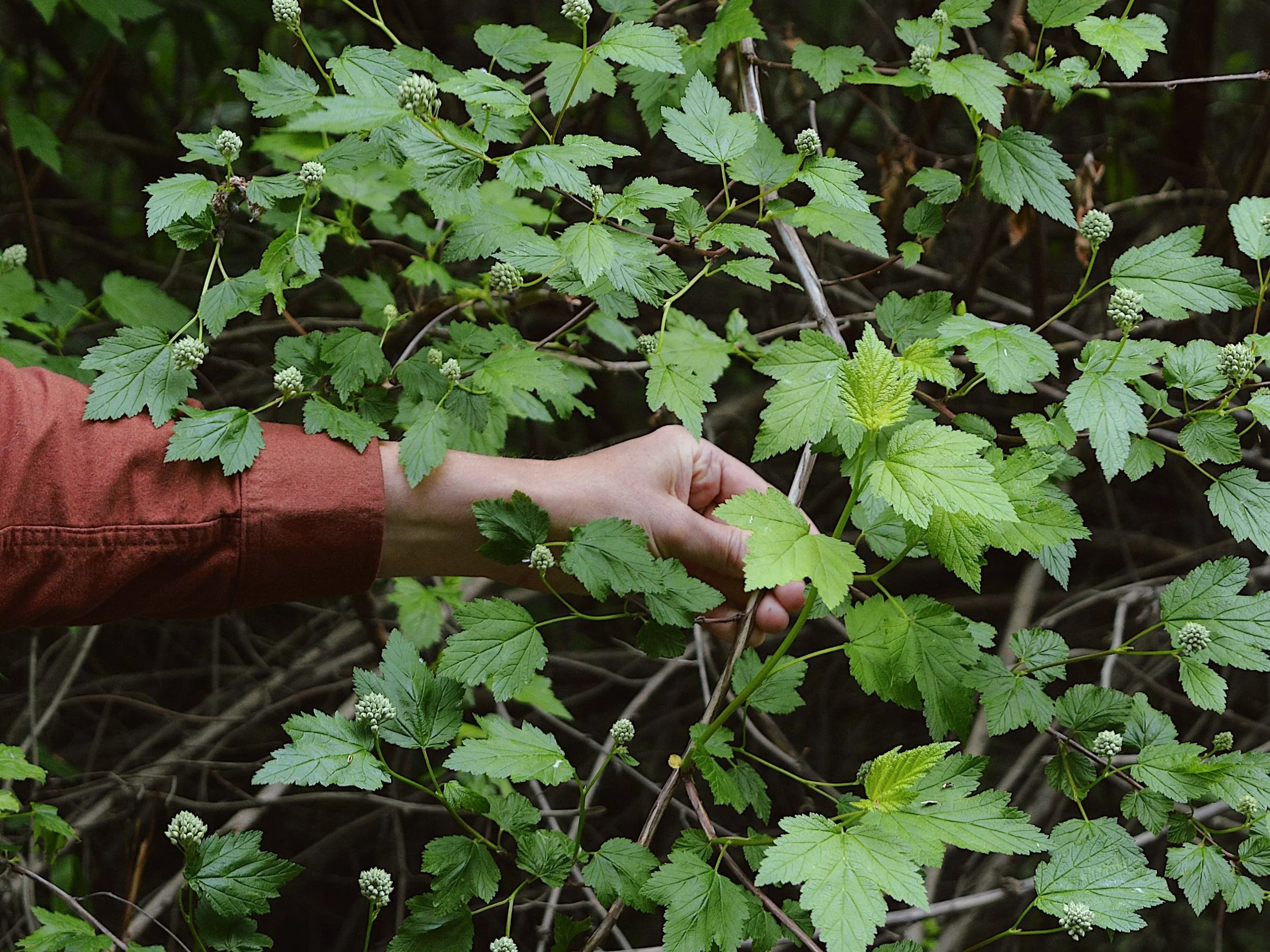
The juxtaposition of mental and emotional was heightened the other day in class as we focused on flower morphology (and plant family identification) in combination with flower essences. In the late morning, students sat with certain plants where they collected flowers to infuse in the sun. The emotional and spiritual essence of the plant’s flowers were observed and imbued. Be it felt or implied, we opened to another layer of plant medicine.
I find that this is where a great divide occurs by onlookers of herbalism – be it people that are interested in working with plant medicine or those repelled by it – there’s often a division between the science and the spirit. Yet, diving deeper into the practice and principles, I see herbalism as both. As one teacher said to me, “there’s two ends to the rainbow of clinical herbalism; the barefoot/braless and tie-dyed t-shirts on one end and the rigid, bleach-white coat on the other.” The full spectrum is everything in between.
Where is this going? As I think into “what is alive” at the beginning of June, it’s this rainbow of plant medicine that can be wrapped around a four-quadrant circle holding the ways of working with plants: mental, physical, spiritual and emotional. And, I hope that my value of these four elements are felt as I rev up my teachings in the months to come.
May you join me on this plant medicine continuum? There are a lot of opportunities to connect, learn and be in community with the plants…
To science, spirit, and beyond,
Rachael
In Spirit of May
I recently read the naturopath, herbalist and cookbook writer, Jana Brunclikova, write about one of her learnings from Indian Hindu spiritual leader, Amma. She wrote “Devi Amma teaches that a mother is not defined solely by biology but by a deeper, psychological and spiritual capacity to nurture, protect, and give without condition. She reminds us that ‘mothering’ is an energy expressed by anyone who offers care, patience, and emotional grounding to others, whether through raising children, supporting loved ones, or simply holding space for another human being’s growth. And, in this way, mothers exist everywhere; in quiet sacrifices, in resilience, and in the unseen emotional labor that shapes lives.”
“Amma” can refer to “mother”, “nurture”, “care”, “love”, “compassion”, and “selflessness”. In some origin stories, the word is also translated into “woman.”
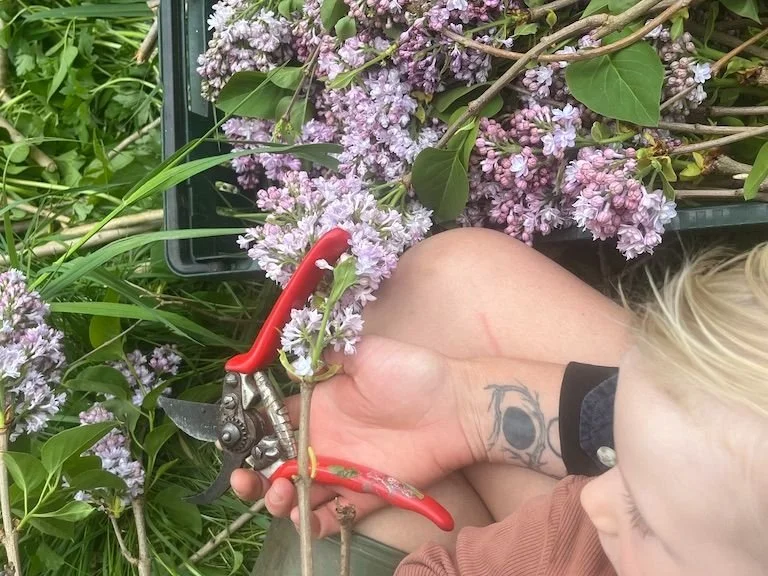
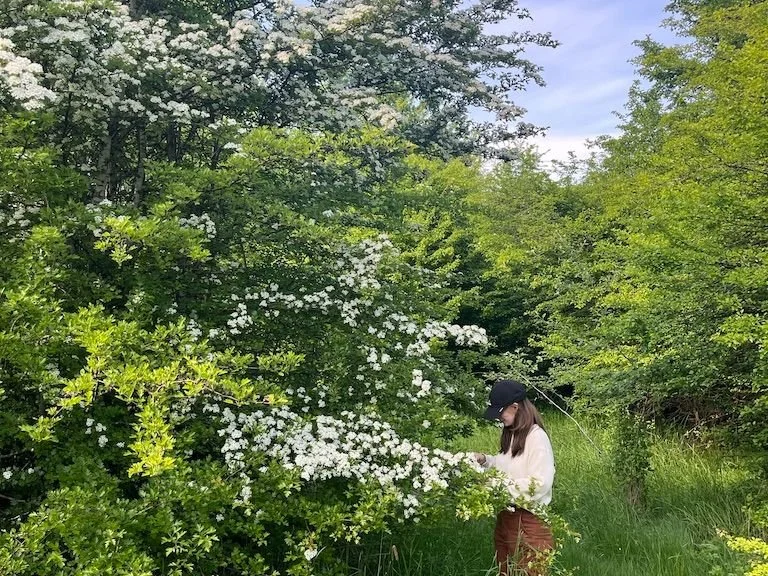
Entering into May, I am overwhelmed with the fragrance of flowers, the bees humming, and the colorful illumination of Earth’s fertility. It’s no wonder why Earth day is celebrated at this time of year; for Earth is showing us the utter glory of life in the Northern hemisphere. It’s also notable that Mother’s day occurs now; for both the wild and domestic animals have largely birthed or hatched their newborns and now nurture them with fresh foliage and abundant life. The month of May is named after the Greek goddess, Maia; nurse and nurturer. After the planning and planting of the first seeds of the season during Spring Equinox, we now turn towards the season of tending; caring; loving; nurturing. Nourishment is rich – water, food, sunshine. If you haven’t inhaled this burst of life force, please, take a moment, draw your attention to your sense of smell, and breathe.
In Wildness Within’s Foundational Herbal Apprenticeship, we are closing out on our first seasonal session; early Spring. During the past months, we have delved into one of the most important foundations of herbal medicine; nourishment. From botanical identification of edible versus medicinal versus toxic/poisonous plants, to wild edibles of Spring, starting your own garden for food and medicine, to water-based infusions; the students begin this course learning about grounding into place and how the plants nurture us.
In these early teachings I am reminded about my herbal journey and why I teach what I teach and, furthermore, the order in which the curriculum is offered. The Five Phases of Traditional Chinese Medicine sheds light on the metaphorical and physical manifestations at play between the environment and human body. Seasonal rounds rooted in ethnobotanical studies of the Coastal Salish and Okanogan people have taught me ways of paying attention to what is happening in my local environment – correlating wildlife with flora and harvesting protocols. The Wise Woman tradition is nourishment and optimum nourishment is simple.
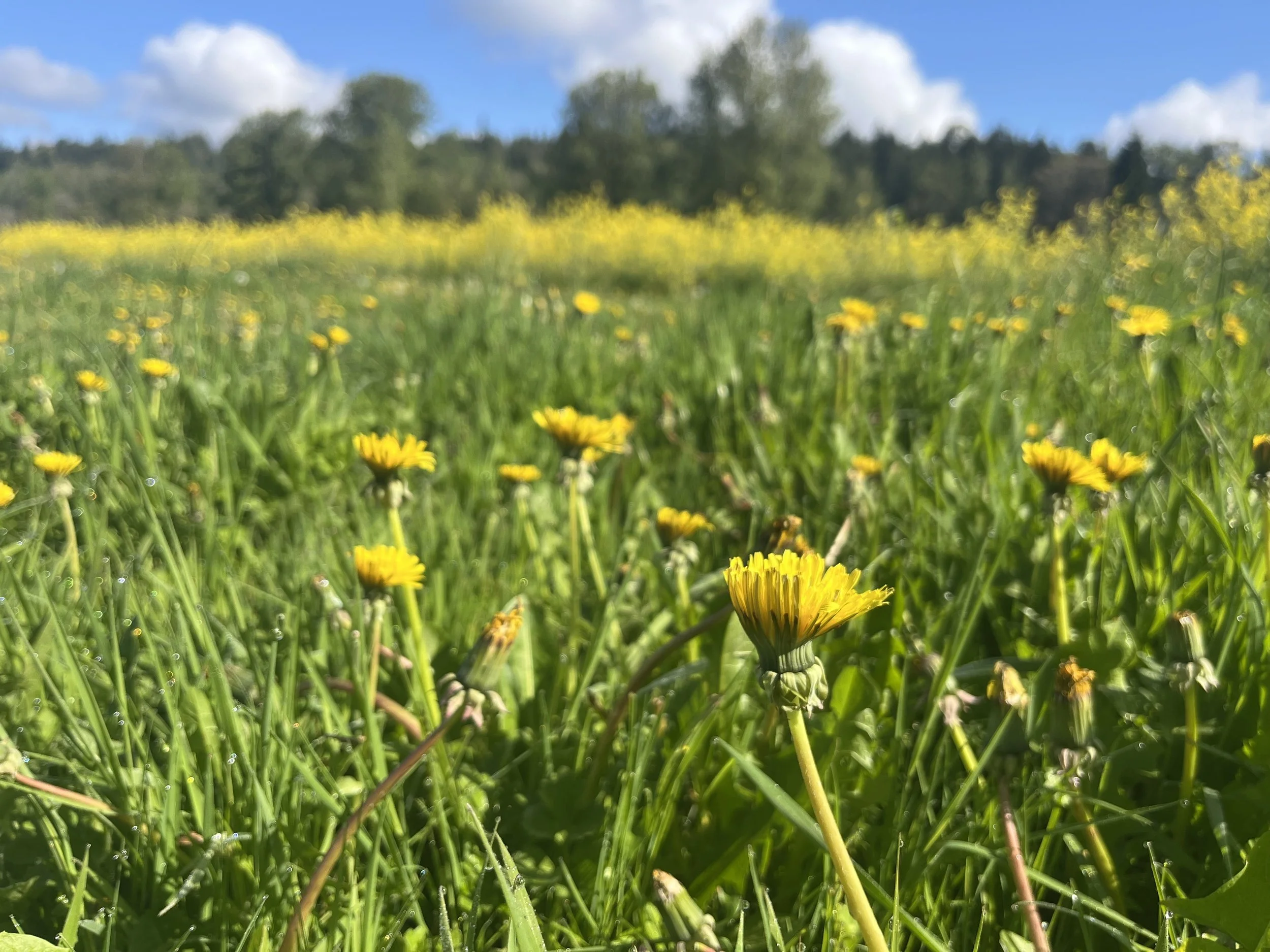
Dandelion, chickweed, nettle, burdock, cleavers and plantain provide us with simple, accessible, nourishing medicine. Food as medicine. These wild and abundant plant allies are bursting with vitamins and minerals that we need for replenishment and rejuvenation after the winter slog. Their ability to grow in various conditions and timing of flourishment are metaphors for ways of nurturing, protecting and giving without condition. And, it can be that simple.
Through this passage of becoming and growing as an herbalist, I find it interwoven with the path of the mother. The care-giver. The healer. The nurturer. And, leaning into the observations of Earth’s capacity to hold is necessary for those supporting human lives.
May we find ways to lead lives with care, compassion, selflessness and nourishment as Mother Earth does for us.
In Spirit of May,
Rachael
Spring Wind
The howls of the blowing wind was seen by the swaying conifers – bundled up in blankets, we listened, we found stillness in lying on the ground.
The clouds casted shadows cooling the air to an uncomfortable temperature – the sun-kissed garden called to us, bringing warmth and heating our bodies from the outside in.
The Spring snow weighed down the daffodils and iced over the bird baths – and, still, the bulbs are blooming and the birds are singing.
The hungry homestead rodents ungracefully ate the leek seeds planted in the tray – yet the tomatoes sprouted and are growing strong.
Overcast and grey are suddenly met with sunshine and blue. Frigid, coldness is met with friendly, warmth. Chaos and noise are reduced to silence and stillness. Loss and misfortune are met with hope.
The trials and tribulations of Spring are here. The time of balance. The reminder that “this too will pass.” And, most importantly, the cosmic teacher, patience, is here.
Like the new green growth of a tree, we are being asked to stay flexible. The action of growing, stretching, upward movement is emphasized by the Wood Element in the Five Phases Theory. When balanced, we can meet others with kindness and encouragement. When stuck, we find ourselves agitated and angry. And, guess what? It’s okay to be both.
The wind is the pernicious influence of this season. Physically, we may witness this as an obvious environmental factor or we may experience this in our body as shivering, irritated joints, skin rashes, vertigo or runny noses and the common cold. In theory, this external climatic force rapidly changes and moves, it can cause destruction, yet also cleanses old decay. In practice, there are two clinical manifestations of wind: external and internal. Externally, people may exhibit symptoms of the common cold, flu, neck and shoulder pain, and skin irritations (hello, eczema!). Internally, symptoms of vertigo, tremors, migraines, and more serious conditions of paralysis are expressed as Wind. This is a wide range of symptoms and severity, yet they share the commonality of movement. Wind moves.
Wind can be accompanied by dampness, heat, or cold. Hence, herbal recommendations vary based on the character of the person and how the disease is presenting. Yet, we can protect ourselves from environmental wind by protecting our neck and body warm (especially your kidneys/ lower back!), as well as finding ways to rest amongst commotion.
I deeply resonate with these various expressions of wind exhibited during Spring. It truly is a metaphor for life at the moment. The need to cleanse and renew those parts of the internal and external landscape that do not serve – the reminder that it’s still ok to hunker down as the cold and damp linger – the desire to eat fresh wild greens in combination with a hearty stew – the need to stay grounded amongst the up surge of energy.
How are you finding balance as we enter the month of April? When are you reminded to be patient?
May the winds move around us and may we stay flexible like the growing saplings.
Here’s to the blustery season,
Rachael
Process, Rest, Repeat
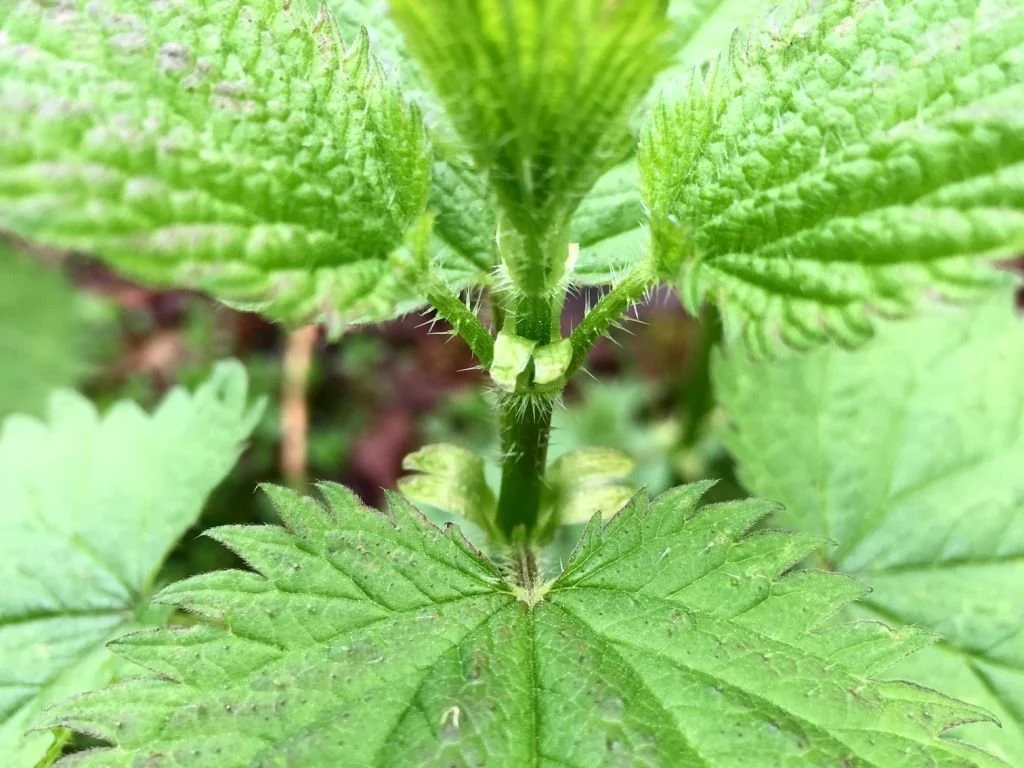
Bittercress, waterleaf, nettle, chickweed, miner’s lettuce, rubus shoots, sweet violet, dock leaves, young plantain – harvest, prepare, rest, repeat. I repeat, rest, then repeat…somehow my brain (or is it my body?) is not registering that word (or action) – rest.
It’s the first of March and I am already tired. Perhaps that is due to mulching the homestead throughout January or weeding and digging up blackberry in February? Winter? “Wintering”? I am afraid the balmy PNW winter has called me outside and the soft soils allowed for ongoing garden tasks to continue. How could it be time to ramp up? When does my body rest?
I can blame it on the weather (it’s such an easy scapegoat), but let’s be honest, when I am mentally anxious there’s no way my body is going to sink into a deep rest. Better yet, what are the odds that my coping mechanism for overwhelm is grounding into the land, and one of the many things feeding my anxiety is also creating moderate winter temperatures that allow me to weed and process (hello, global warming). Is anyone else feeling this dilemma?
I am not here to vent, but in writing what’s alive as we enter this month, it’s important for me to share my truth. And, who knows, that might also lead to further connection… It also brings me to my main point here: When the world is too devastating and heartbreaking, Earth is here to comfort and uplift. (This reminds me of a quote from a recent social media post by Wilderness Awareness School, “Sick of the world, but never sick of the Earth.”). I know, I know, what’s happening to the Earth is soul-crushing as well, BUT, the Earth is still here and so are we. So, how can we find ways of being here on Earth to relax our nervous system in times of devastation?
Here are some things that help me stay calm when I am surrounded by a profound amount of emotions:
Make a practice out of greeting different things around you and noting their beauty – as my daughter and I say every time we pass wild waters “Hello Sacred Water – We love you.”
Take a moment to breathe deeply for 5-10 inhales/exhales (try this at least three times a day).
Go outside – it’s kind of a no-brainer when you live in a 200 sq. foot box, but it’s amazing what a 5 minute walk outside can do to your mental health.
No phone zones OR airplane mode OR time without phone! – a friend recently shared that evolutionarily our body was programmed to go on high alert every time we saw a new face (intruder, intruder!), so imagine all of the unknowns your body sees on your device every single day (!? – that is some hyper alert, anxiety producing divisiveness).
Say gratitude – don’t just think it; say it; feel it; embody it.
Light a candle – fire is an incredible ally that can calm the body and also bring an atmospheric presence that is natural, fierce, and comforting.
Drink herbal tea – for nourishment, calm, placebo effect; just get some herbs and water into your body (not just tinctures!).
Run, move, dance, hike, walk, clear trails, shake – get it out!
What is your go-to way of re-Earthing? How do you stay humane? How do you embrace the wild?
Ok, here we go, welcome March.
I see you crocus. I hear you robins. I feel you daylight. I smell you budding cottonwoods. I taste you nettle.
<3Rachael
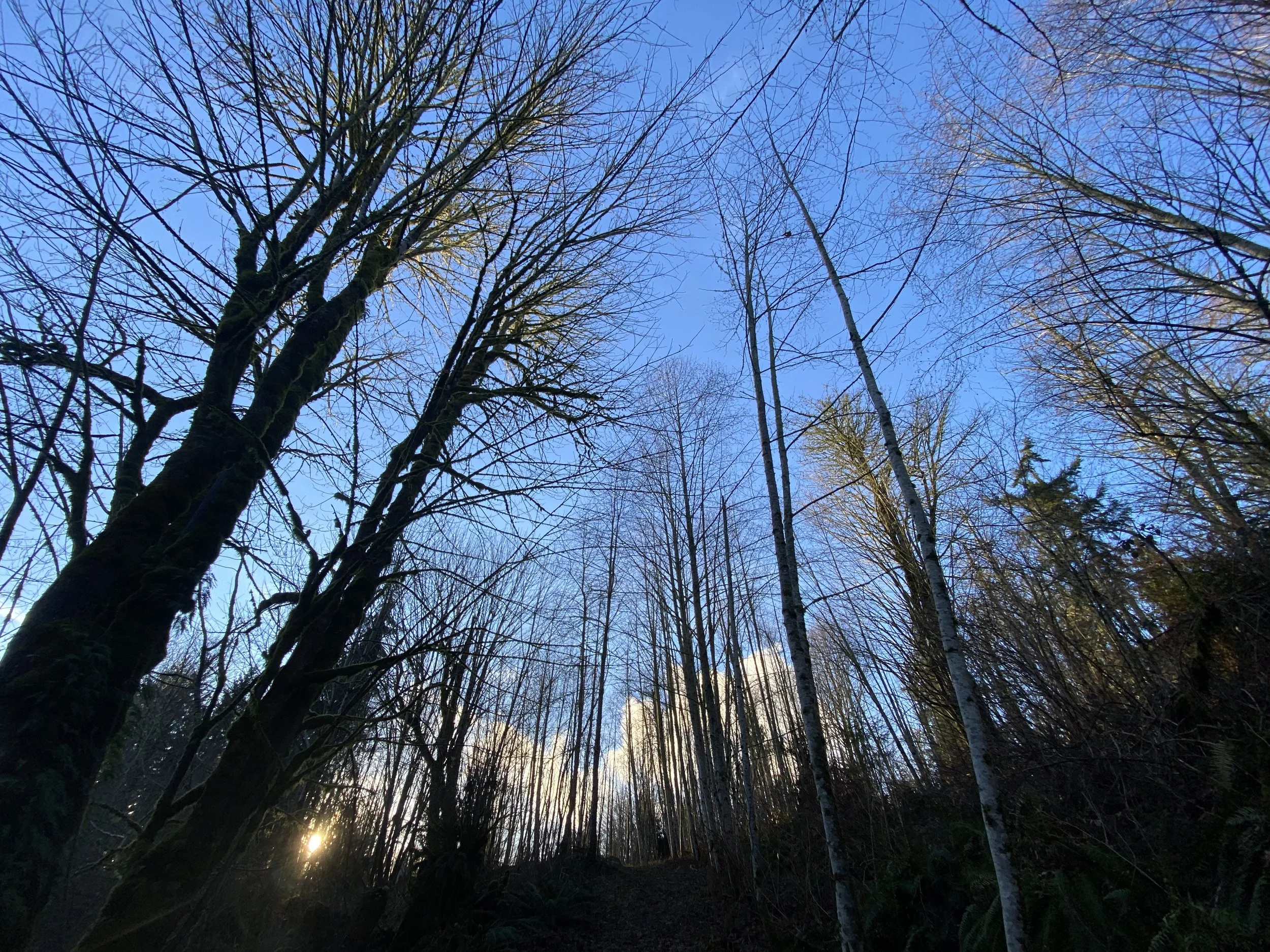
Cyclical Celebrations
“Lavender for calm; Rosemary for strength and remembrance; Sage for wisdom and clarity; Orange Peel for light and joyfulness; Cinnamon Bark for warmth and pizazz, Bay leaf for protection; Clove for deepening patience.”
A pinch here, a handful there, a large grip here, a smidgen there… each herb makes its way into a pot of water. Soon to be simmered so that the rising steam can infuse the house with aromas of prayer and intention. If the words didn’t broadcast this spell then perhaps the smells wafting in and out of awareness can manifest.
It’s called a simmer pot. While the imagery of the words may have led you to that of a witchy woman casting a spell over a smoldering cauldron – this is a simple ritual rooted in European lore to honor this time of year. Imbolc, Saint Brigid’s Day, Groundhog’s Day, Candlemas, the Snow Moon… The beginning of February marks the return of the sun, the stepping towards Spring, and still, patience and moving through the starkness of lingering cold weather. It calls upon the stowed away dried herbs to be with us as we call in the creative projects ahead.
Admittedly, my journey with herbs didn’t start with this recognition of lore. My psyche still has to process the naming of a witch as one who works with plant medicine. And, my practice in herbalism extends beyond my European ancestors.
From studying plant ecology and the science of plants, my entry into herbalism started as a necessity for healing. Stubbornly sticking to what I knew (wild plants, cultivation, and personal experiences learning about plant uses in equatorial countries), it has been an ongoing process embracing the practice of herbalism rooted in European nature-based traditions. Or, should I say, through my practice as a clinical herbalist, studying the sciences, farming, foraging and teaching this knowledge; it is fundamental to include the story of people’s relationship to all of this. Hence, the importance of lore.
It has been my experience that some aspects of lore come with stereotype (such as the depiction of the witch and the cauldron being “evil”). Perhaps this is why I continue to think over the stories associated with herbalism. What is real? What is true? And through living a life rooted in the land and working with the plants, I am finding the question that I keep coming back to is “what is my truth?”
The seasonal shifts bring about change in our environment (be it in the wild or in the city). Bringing awareness to what’s happening naturally and using that as symbolism for life’s seasons has been a profound experience for me. I can further track these lived experiences with stories of folk traditions and cyclical celebrations.
In times of distress and uncontrollable circumstance, I give thanks to these simple traditions that ground me in my reality and truth. So, tell me, what stories and traditions are real for you?
In gratitude for the bulbous flowers,
Rachael
Rooted in Community
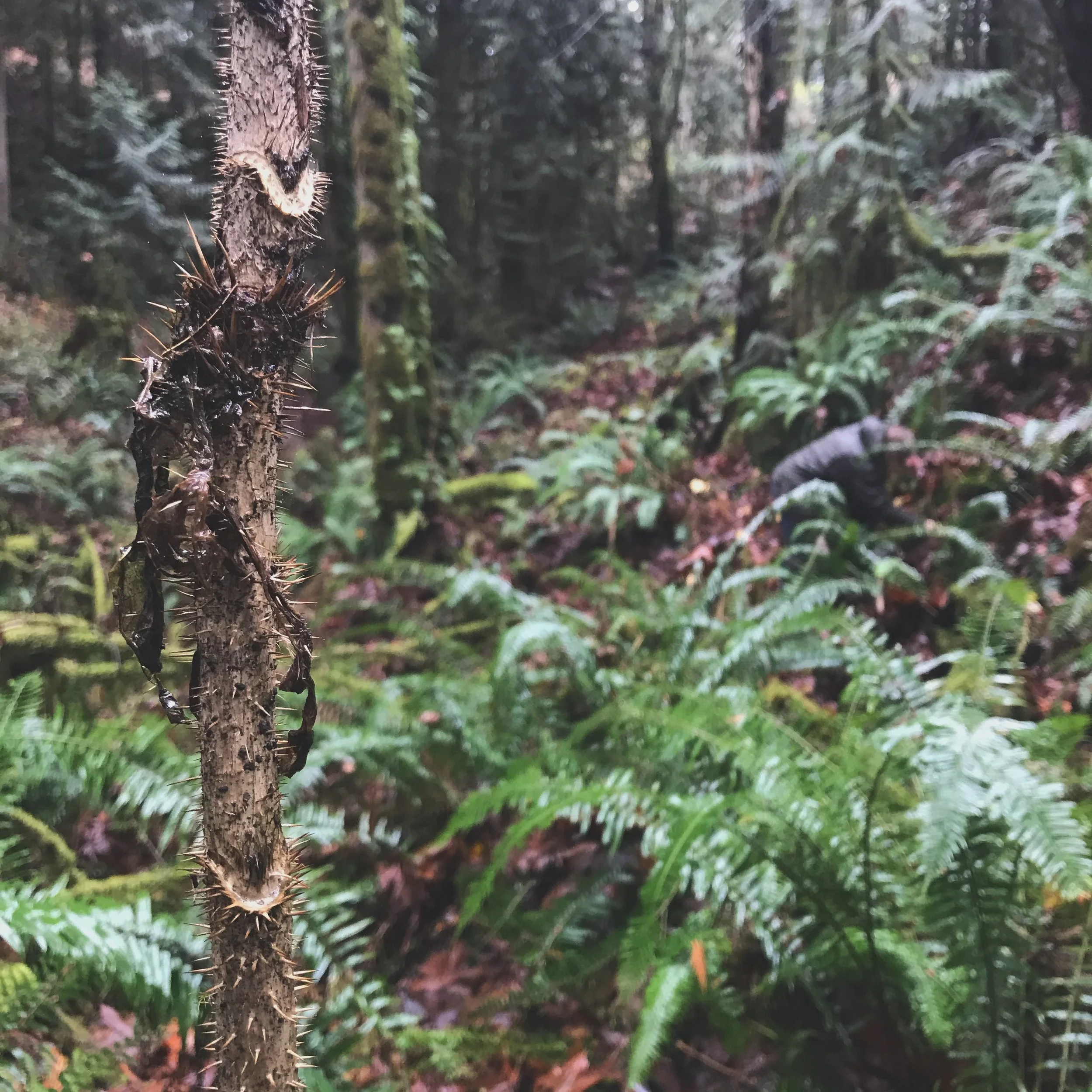
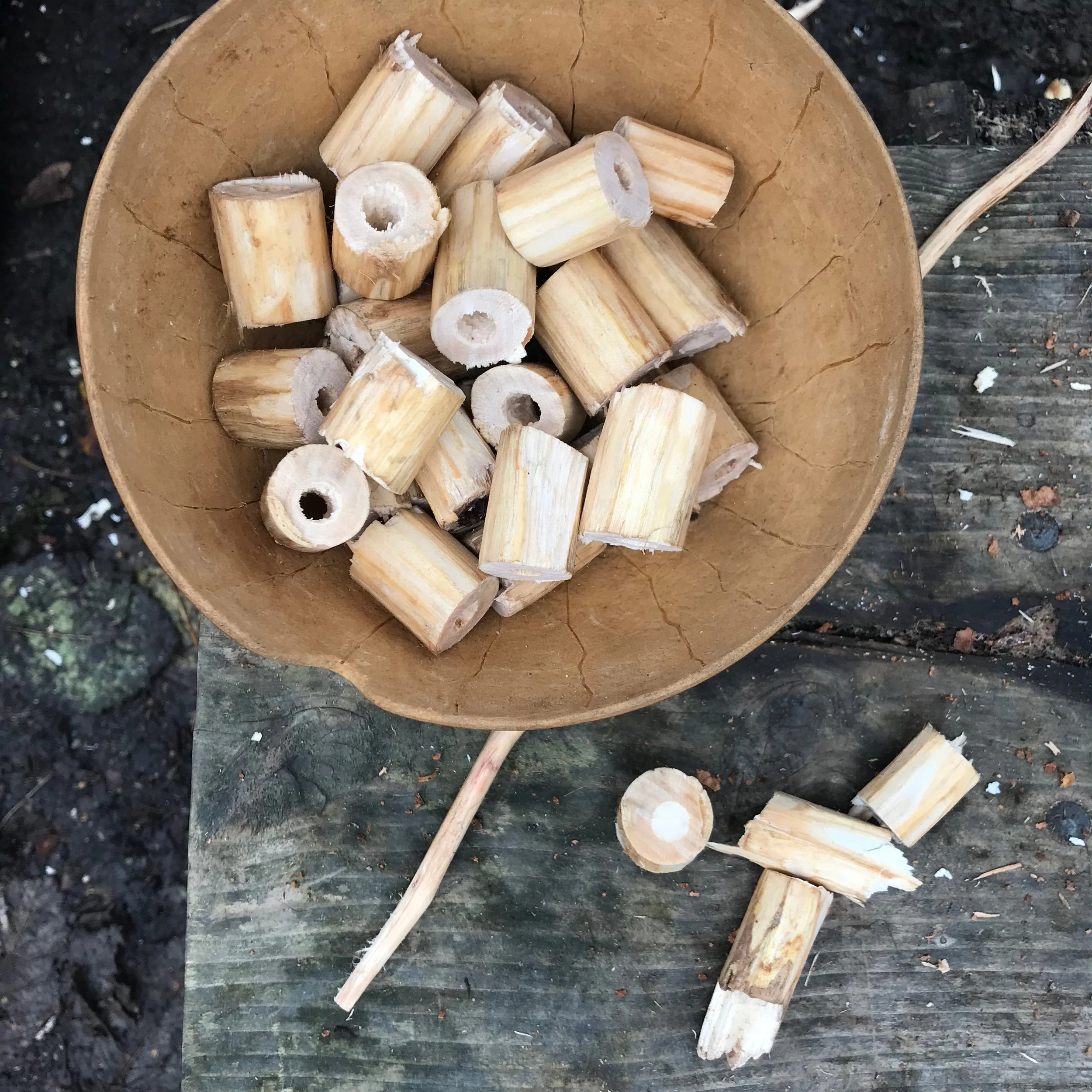
Since I last wrote, winter arrived – the town of Duvall became an island as the surrounding valleys flooded – the holidays came and went – the calendar year changed.
As Katherine May writes in her book Wintering; The Power of Rest and Retreat in Difficult Times, “Change will not stop happening. The only part we can control is our response.” She further states, “Nature shows that survival is a practice. Sometimes it flourishes– lays on fat, garlands itself in leaves, makes abundant honey– and sometimes it pares back to the very basics of existence in order to keep living. It doesn’t do this once, resentfully, assuming that one day it will get things right and everything will smooth out. It winters in cycles, again and again, forever and ever. It attends to this work each and every day. For plants and animals, winter is part of the job. The same is true for humans.”
Be this literal winter or the dark, cold seasons of our lives; I find relief in this cyclical way of being. And I feel strength in knowing the resilience that comes from living out life’s winters.
When the waters swelled and flooded the valleys in Western Washington, I received an order from our local farm store, Local Roots. One of the products requested was the Heart Soothing herbal tea. I needed to make a new batch to restock, package and deliver. In doing so, I pulled from my bulk dried herbs; milky oats and oatstraw, hawthorn flowers and fruits, linden flowers, devil’s club roots… As I weighed these single herbs, I remembered their stories:
Standing in the field at Jubilee Farm, cutting the oatstraw cover crop growing in between the rows of garlic, noting the size and splendor of this crop and yield. The place where I harvested in early summer was at least three feet under water.
The hedgerow of hawthorn standing amongst the planted Sitka spruce and shore pine trees in efforts to restore the riparian areas surrounding the Snoqualmie river. Groves that I visit in May to harvest the flowers and other groves that I tend to in October to harvest their fruits –all rooted in the floodplain where currents were swiftly moving around their trunks and branches.
Linden trees that line the streets overlooking the valley. Growing on higher ground yet in solidarity with the cottonwoods and willows that eagerly root near the river. All witnessing the massive movement of water.
Devil’s Club that walks along the cedar understory– blessing the accumulation of rain and ground springs that serve as the headwaters. Seasonal creeks that scurry down the mountain into the basin that holds the rivers sculpting the valley floors.
These plants are part of the ecosystem that I call home. Some native– holding significance to the Snoqualmie tribe and Coastal Salish people. Some cultivated– intertwining European lineage into the farm and landscape designs. These plants weave together stories of the past, while shaping the land for the future, and enduring the present circumstances of the cyclical seasons. Some of them have experienced many winters in this region, some of them contribute to health of our local soils, some considered both food and medicine, all of which teach us how to survive in this environment and thrive in our health. They are plants of the local community.
When I entered Local Roots farm store, I noticed a sign that read, “Support your local food economy.” I thought about how the herbs that I harvest and grow are a part of this economy– how Wildness Within’s remedies are rooted in locality– and, most of all, how meaningful it is to interact, learn, grow and contribute to this community.
As times change and we go through another winter, I am able to reflect and vision into different aspects of my life. Wildness Within is an herbal business that offers plant education and remedies rooted in local community. While some of the herbal teachings and personal consultations can reach people far and wide– the heart of this business resides in Western Washington’s montane forest ecozone. That means we focus on planting in zone 8b, we observe ethnobotanical practices of the Coastal Salish people, and people living within this driving range can come together to learn, make or experience the plants of this region. The waters of this landscape impact us. The winters teach us.
That being said, this year’s cyclical rounds will continue to hold offerings rooted in locality. From locally grown and wild harvested herbal remedies to in-person teachings and community work parties or collaborations– the value of locality is becoming more apparent in changing times. So, for those of you within range, are you interested in growing deeper in your local understanding?
I hope for love and curiosity to flourish in the year ahead.
May it be so,
Rachael